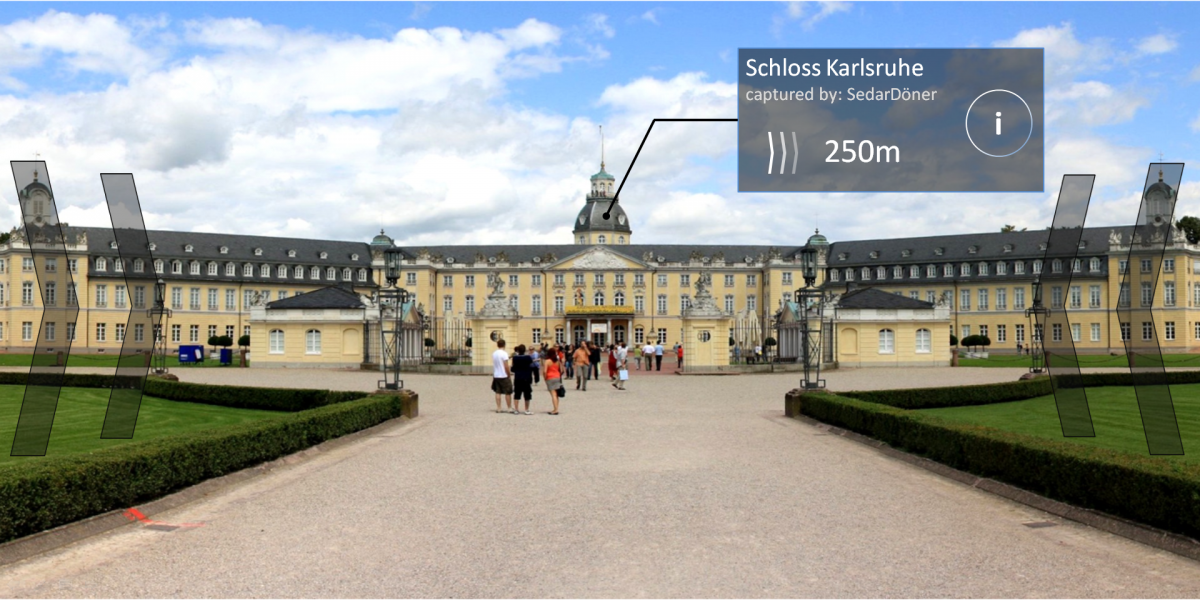
This week we specified two Use Cases. Capture Location and Player Movement
Month: October 2017
W3: SRS and UCD
In this week we worked on the Software Requirements Specification and Use Case Diagram for our project. Keep in mind that those are work in progress and several details will change in the following weeks.
You can view our SRS in Google Docs and the Overall Use Case Diagram in Google Drive
W2: Project Roles/ Technology
Project Roles
Our team consists of three students. To improve the user experience everyone has chosen his field of responsibility.
RUP Roles
- Deployment: Jannik, Sedar
- Business Modeling: Fabian, Sedar
- Analysis and Design: Sedar, Jannik
- Implementation: Jannik, Fabian, Sedar
- Project Management: Jannik, Sedar, Fabian
- Test: Fabian, Sedar , Jannik
- Configuration and Change Management: Sedar, Jannik
- Environment: Fabian, Jannik
Implementation/Developement Roles

Jannik:(The Admin)
- Administrating Server
- Serverlogic development
- Deployment
Sedar: (The Logician)
- Architecture design
- Game rule design
- Application backend development
- Clean Source-Code

Fabian:(The GUI Man)
- API Binding
- Texture design
- AR Development
- Design/UI/Usability
Technology
- Server:
- Language: Java
- Framework: Spring Boot
- API: Overpass API (API for querying OpenStreetMap data)
- IDE: IntelliJ
- Deployment: Docker
- Website:
- Language: TypeScript,CSS,HTML
- Framework: Angular
- API: Google Maps API
- IDE: Visual Studio Code
- Deployment: Docker
- Android:
- Language: Java
- Framework:LibGDX
- API: Overpass API
- IDE: Android Studio
W1: Decisions
Our idea for project re:act is pretty simple: We want to create a Capture the Flag Android game, which uses Augmented Reality. It is played in real life by real players in real time.
The game features teams which are playing in the real world against each other. There are flags scattered around cities which coorelate with points of interests. These flags have to be captured by the teams, by playing minigames and beating the highscore of the previous team. The individual players and teams can also place objects/items there, which fulfill different functions (e.g. bonuses).
The camera of the smartphone is used as a tool to display points of direction in the real world. It also displays flags and other user placed items.
Today we decided on the technology we are going to use on our project.
- Server:
- Language: Java
- Framework: Spring Boot
- API: Overpass API (API for querying OpenStreetMap data)
- IDE: IntelliJ
- Deployment: Docker
- Website:
- Language: TypeScript,CSS,HTML
- Framework: Angular
- API: Google Maps API
- IDE: Visual Studio Code
- Deployment: Docker
- Android:
- Language: Java
- Framework:LibGDX
- API: Overpass API
- IDE: Android Studio
Hello World
Our Project was started today. We look at a glorious amount of work and therefore, had a long discussion about the name.
We don’t know how it’s written, but we know what we anticipate to do.
Our Idea:
We want to develop an open world Augmented Reality on mobile platforms.
 The react Project